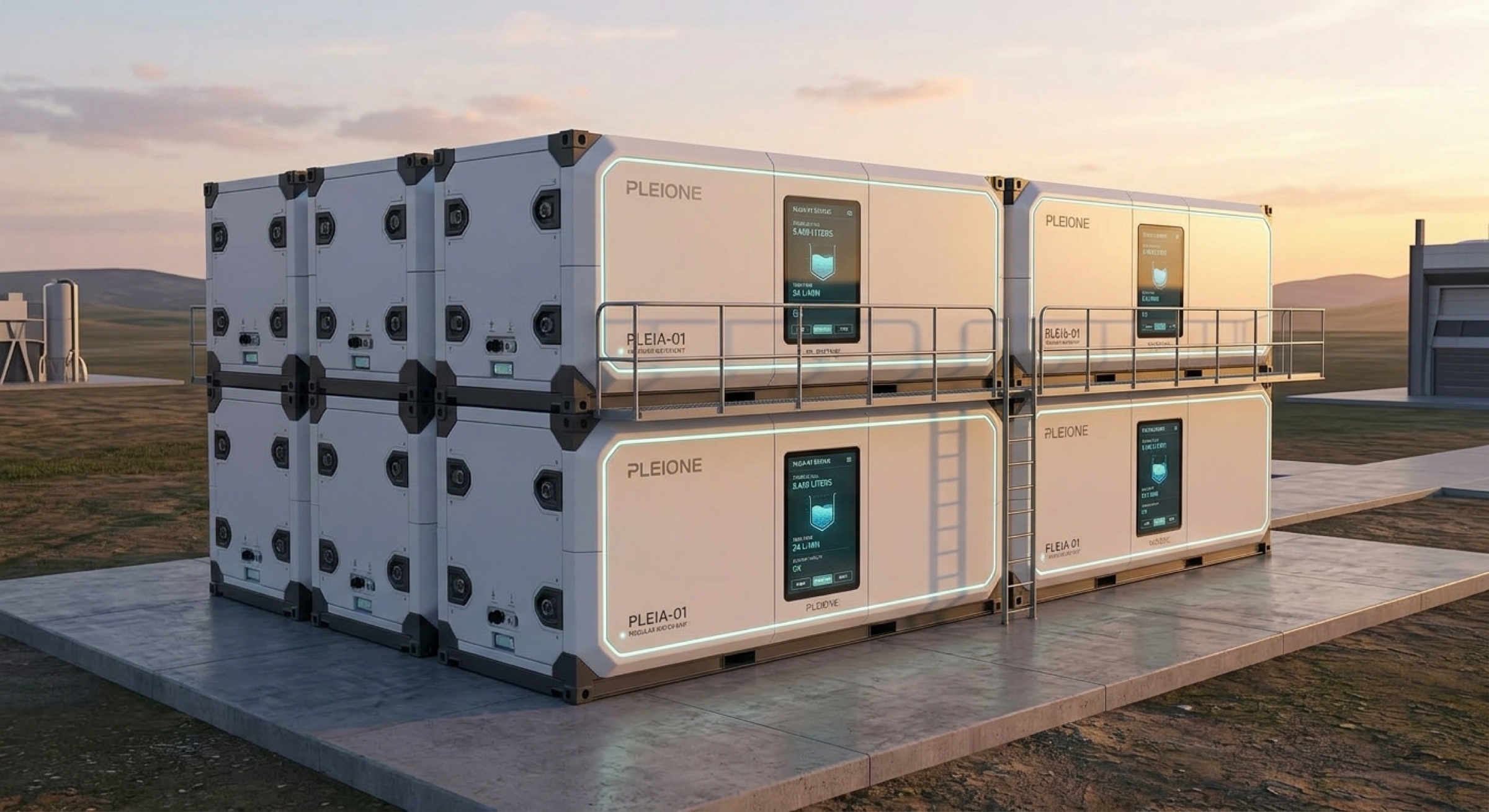
One platform, three worlds. The unit and the intelligence stay the same; the configuration, the sources and the funding change with the ground.

Mining and energy camps truck water at brutal cost. Defence and disaster deployments carry it by air. Every litre hauled is money and risk. Pleia turns the site's own streams and waste heat into supply, runs without anyone on site, and is serviced with printed spares and common tools.
The pitch in one line: cut the water convoy, keep the proof.
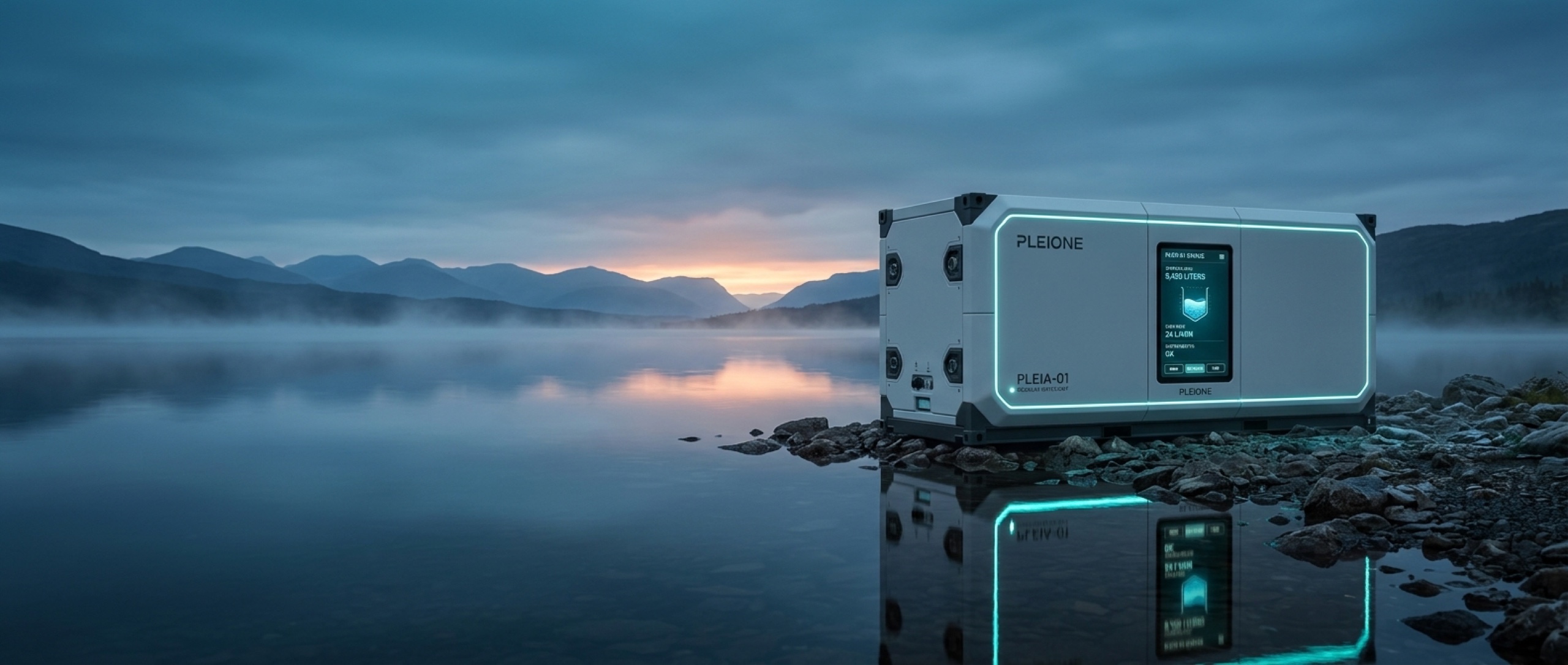
Communities under advisories have seen plants built, celebrated and abandoned. What failed was never the treatment; it was operations and trust. Pleia runs itself under remote licensed oversight, and every litre carries a record the community, the council and the funder can check for themselves.
Built with communities, not delivered at them. Funders pay on verified outcomes.

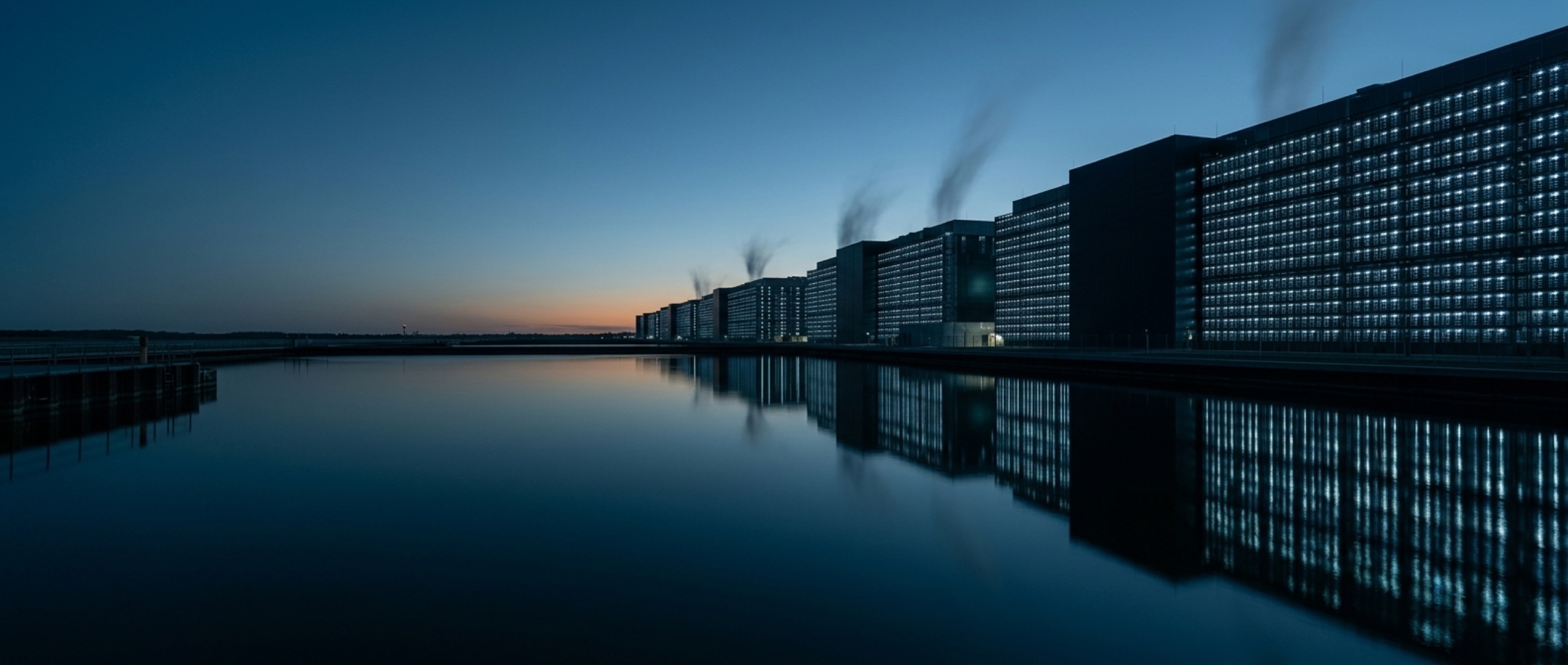
Factories, campuses and data centers are hitting water as the binding constraint on siting and permits. The same platform reuses their wastewater, recovers from waste heat, and produces the provable water number the permit fight now demands.
The full story for AI infrastructure has its own page.read it →
Sources, treatment train and capacity are configured to the ground: brackish well, camp wastewater, industrial reject streams.
Guardian runs every deployment the same way, one licensed operator overseeing many sites across all three worlds.
The Verified Water Record reads identically for a mine auditor, a band council or a permit officer. Proof is the common language.
We are choosing first pilot sites now, measurement-first and low-risk. If water is the hard part of where you operate, we should talk.